Structural safety assessment of the John S. Thompson Bridge
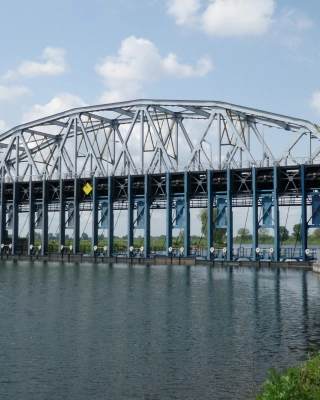
The John S. Thompson Bridge is a historic steel truss bridge spanning the River Meuse at Grave, the Netherlands. It forms an important transport link between the provinces of North Brabant and Gelderland.
Rijkswaterstaat commissioned Iv to carry out a detailed assessment of the bridge’s structural integrity and load-bearing capacity. This followed the discovery of extensive corrosion, cracking in the orthotropic deck, damaged riveted connections and deformation resulting from vehicle collision damage.
Iv assessed the primary load-bearing structure in accordance with the Dutch Guidelines for the Assessment of Existing Structures (Richtlijnen Beoordelen Kunstwerken, RBK). The assessment comprised a 3D structural analysis model, strength and fatigue assessments, strengthening design calculations, and an integrated structural safety assessment.
The principal challenge lay in the combination of the bridge’s age, complexity and limited accessibility. Built in 1929, the bridge is a listed structure and forms part of the Grave lock and weir complex. At the same time, critical structural elements showed evidence of corrosion, fatigue and collision damage.
The limited accessibility of many structural components made inspection, repair and strengthening particularly challenging. In addition to establishing the bridge’s current load-bearing capacity, Iv had to assess how the identified damage and material loss affected its structural integrity. This enabled Rijkswaterstaat to identify which defects had a direct impact on structural safety, where strengthening of the bridge was required, and which measures were necessary to ensure its continued safe use.
The assessment identified significant material loss in several critical structural components, leading Iv to recommend the immediate introduction of a load restriction. As a result, traffic management measures were implemented, including diversion routes for heavy goods vehicles.
Through detailed reassessments of the proposed strengthening measures, localised structural checks and advanced 3D analyses, Iv provided Rijkswaterstaat with a technically substantiated assessment of the bridge’s load-bearing capacity and the critical structural details governing its performance. This provided a sound technical basis for the bridge’s continued safe use, targeted maintenance and future asset management decisions.
Over the years, we have built up an impressive track record of infra & water projects.
Wouter, managing director Infra and also COO of Iv, would be delighted to discuss this with you! Get in touch via +31 88 943 3200 or send a message.